A Complete Beginner’s Guide to Keeping Neocaridina Shrimp
 Adam Milton-Barker 278 2026-04-04
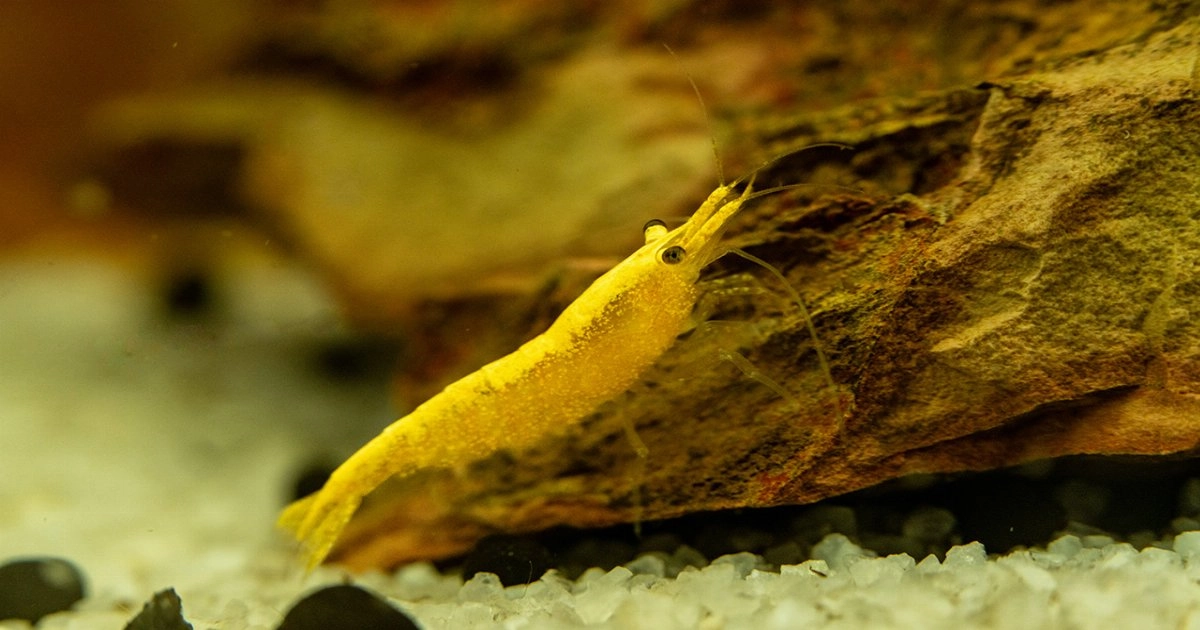
If you are new to the aquarium hobby, you have probably seen tiny, brightly coloured shrimp zipping around tanks and wondered what they are. These are Neocaridina davidi, the most popular freshwater dwarf shrimp in the world. They are peaceful, incredibly fun to watch, and make a fantastic addition to a beginner’s aquarium. This guide will walk you through exactly what they are, where they come from, and what you need to know to keep them happy and healthy.
A Brief History of the Neocaridina
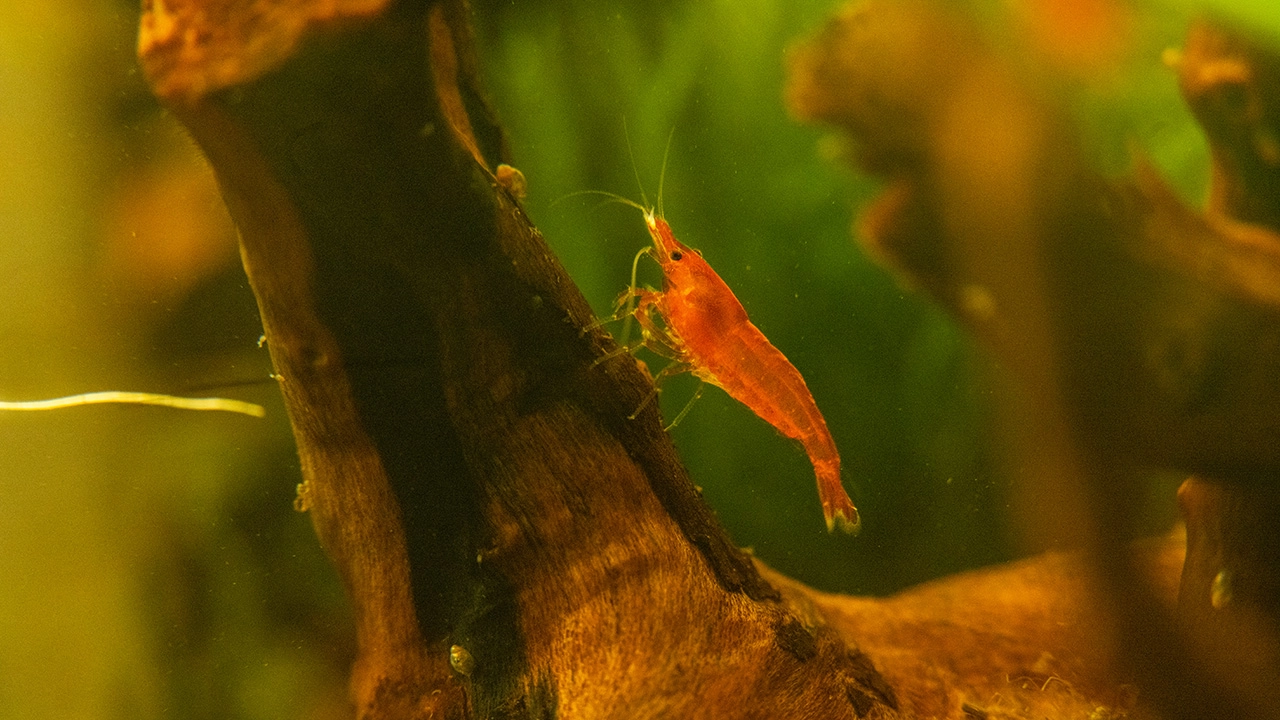
Let’s start with where these animals come from. In the wild, Neocaridina shrimp originate from freshwater streams and ponds in Taiwan. If you saw one in nature, you probably wouldn't look twice. Wild Neocaridina are a translucent brownish-green colour, perfectly designed to blend in with mud and dead leaves to hide from predators.
So, how did we end up with the bright reds, blues, and yellows we see today? It is all down to decades of selective breeding by dedicated hobbyists. Breeders noticed natural, tiny colour mutations in the wild shrimp and spent years pairing them together to isolate those colours. Today, those vibrant colours are stabilised, meaning the shrimp you keep in your tank have a rich and carefully curated genetic history.
Understanding the Colours and Lineages
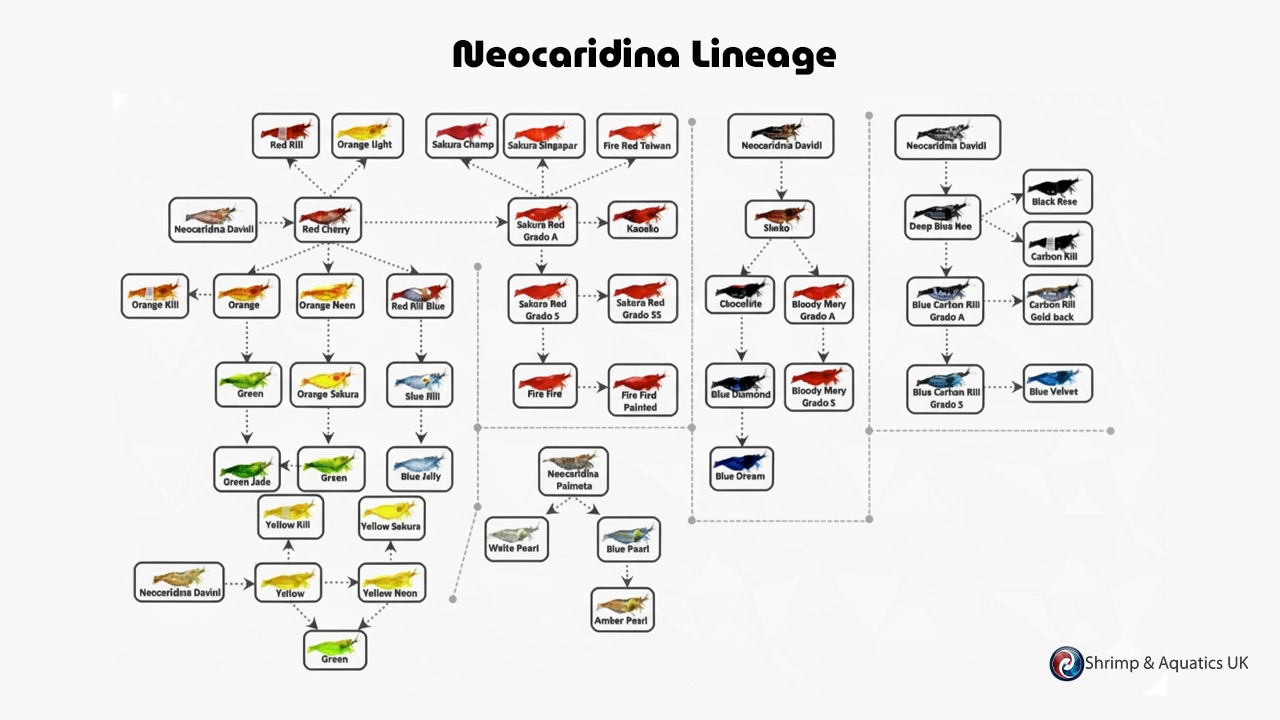
Because these colours were developed from different mutations, they are split into genetic "lines." The Red Line is the oldest and most famous. It started with the basic Cherry Shrimp and moved up in colour density to the Sakura (which has great red coverage but keeps a beautiful translucency) all the way up to the solid, opaque Painted Fire Red.
Other lines include the Chocolate Line, which gave us the deep, dark Bloody Mary, and various distinct Blue and Yellow lines. For a beginner, the most important rule to learn about these lines is to never mix them. If you put a blue shrimp and a red shrimp in the same tank, they will breed, but their babies will lose the colour mutation and revert to the brown, camouflaged look of their wild ancestors.
Basic Requirements and Care
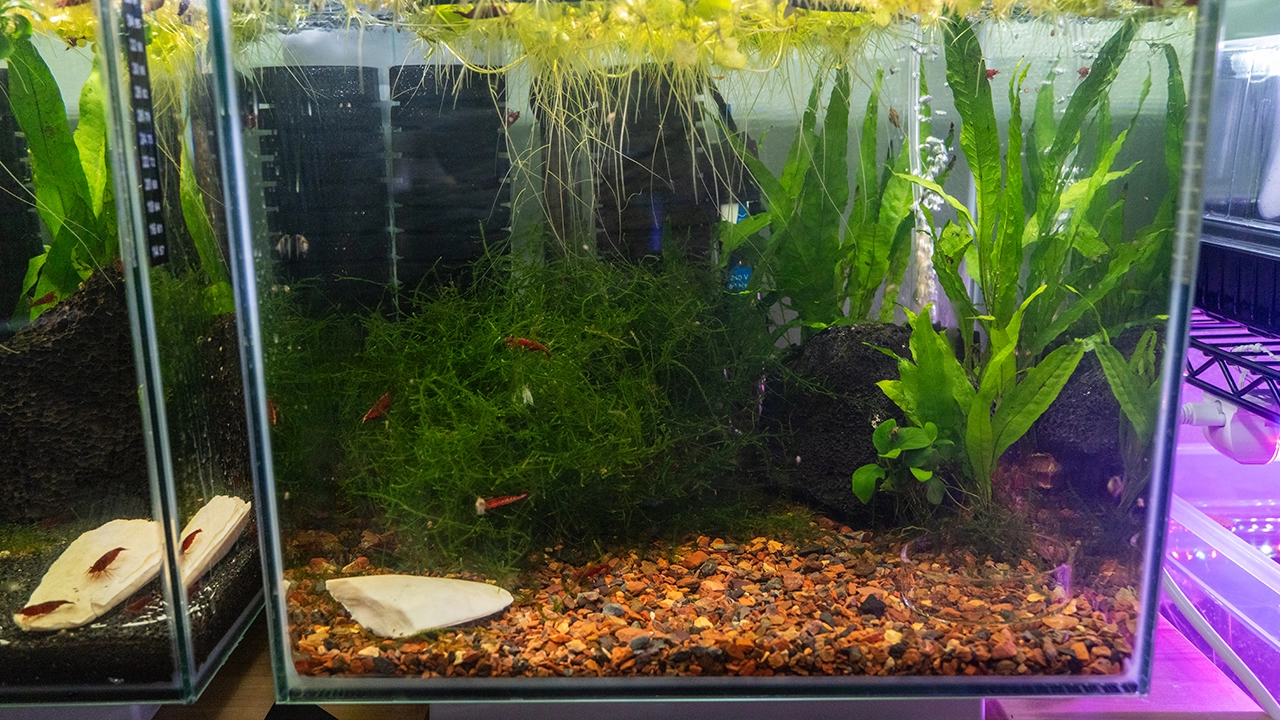
When it comes to setting up a tank, Neocaridina are highly adaptable, which is why they are so heavily recommended for beginners. They don't need massive aquariums; a small nano tank works perfectly. However, they do rely heavily on water stability.
While fish need clean water to breathe, shrimp need specific minerals in the water—specifically calcium and magnesium—to survive. Because a shrimp grows by shedding its old shell (a process called moulting), it must absorb these minerals from the water to harden its new shell. If your water is too soft or changes too quickly, they can get stuck during the molt. The secret to keeping them alive isn't chasing a "perfect" pH number; it’s making sure your mineral levels are consistent and avoiding sudden temperature or water changes.
Water Parameters for Neocaridina
While they are highly adaptable, keeping your water within these specific ranges—and keeping it stable—is the key to a thriving, breeding colony.
- Temperature: 18°C to 24°C (65°F to 75°F). In the UK, central heating often goes off at night, causing room temperatures to plummet. Because of this, using a small, reliable aquarium heater is essential to prevent sudden temperature drops, which can easily shock and kill your shrimp.
- pH: 6.5 to 8.0. They prefer neutral to slightly alkaline water, but as long as the pH remains stable and doesn't swing back and forth, they will adapt to your tap water.
- GH (General Hardness): 4 to 8 dGH. This is the most crucial parameter. GH measures calcium and magnesium, which the shrimp need to successfully build new shells and survive their moulting cycle.
- KH (Carbonate Hardness): 3 to 15 dKH. KH acts as a buffer that locks your pH in place and prevents sudden, fatal water chemistry spikes.
- Ammonia & Nitrite: 0 ppm. Shrimp are incredibly sensitive to uncycled tanks. The tank must be fully biologically established before they are added.
- Nitrates: Keep below 20 ppm through regular, small water changes (10-20% weekly) to prevent stress.
Feeding and the Ecosystem
Feeding them is the easiest part of the hobby. Neocaridina are natural scavengers. They spend their entire day grazing on "biofilm," which is a natural, invisible layer of healthy bacteria and algae that grows on rocks, plants, and wood in a mature aquarium. You can supplement their diet with shrimp pellets or dried leaves (like Indian Almond leaves), but for the most part, they act as a tiny cleanup crew, doing a lot of the tank maintenance for you.
Starting Your Colony
When you are ready to start keeping Neocaridina, where you get your shrimp matters just as much as how you set up your tank. A lot of the shrimp sold in big pet stores are mass-imported from overseas farms. By the time they reach your tank, they are exhausted, stressed, and used to completely different water parameters, which often leads to them dying shortly after you bring them home.
That is why we do things differently. We raise all our Neocaridina right here in our home in Chester. We breed them in Superfish tanks that are heavily planted with premium Tropica plants and run on reliable Hygger filtration, creating a completely natural and stable ecosystem. Because our colonies are born and raised in standard UK tap water, they are already fully acclimated to the conditions you will have at home. We focus on providing healthy, home-grown animals with strong genetics, ensuring that when they leave our care, you get a beautiful, robust colony that is ready to thrive the minute you put them in your tank.